Coating inspection
FROSIO Level III inspection of protective coatings, from blast cleaning to final release. Based in Ploiești, Romania, available worldwide.
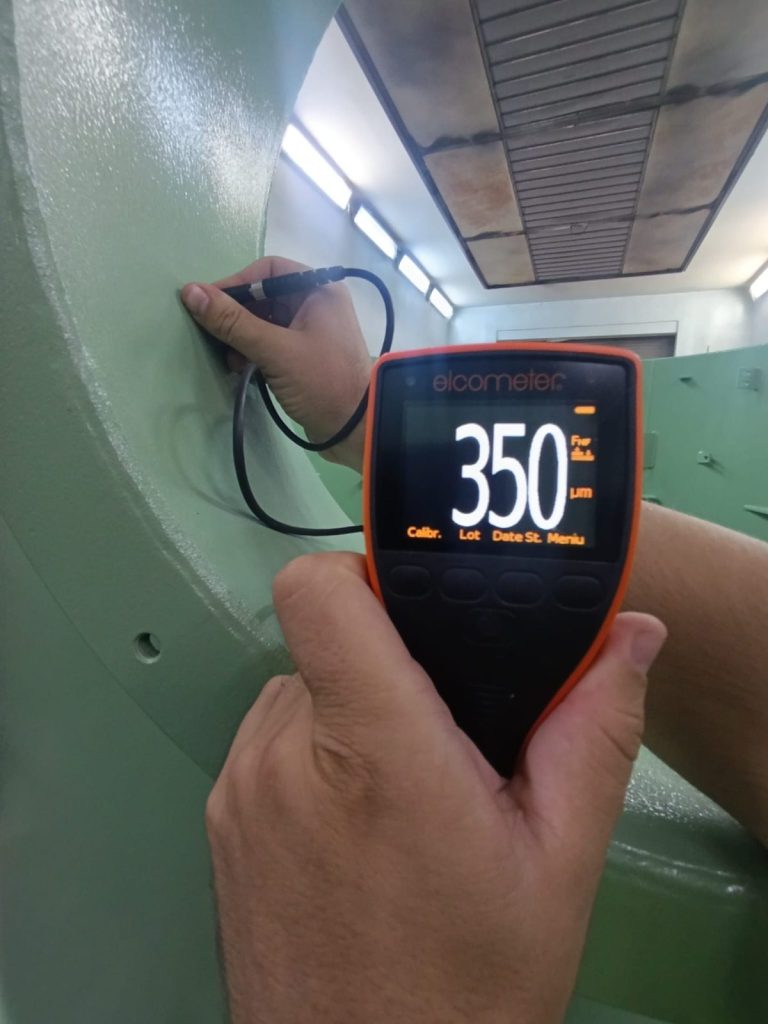
Every hold point measured and recorded
A coating usually fails years later because of something nobody measured on the day: salts left on the steel, paint applied too close to the dew point, a thin spot on an edge.
I check each stage against the coating specification and the ITP, record the readings with photographs, and raise an NCR when a result is out of tolerance.
ISO 8501, ISO 8502, ISO 8503, NACE SP0188, ISO 21809
What I check at each stage
- Surface preparationCleanliness grade, surface profile, soluble salts and dust on the blasted steel.
- ClimateSteel and air temperature, relative humidity and dew point before and during application.
- ApplicationWet film thickness, overcoating intervals and the applicator’s procedure.
- Cured coatingDry film thickness, pull-off and cross-cut adhesion, holiday detection, cure checks.
- ReleaseDaily inspection reports, NCRs and the final coating dossier.
Coating systems
- Fusion bonded epoxy (FBE)
- Polyurethane and multi-coat epoxy systems
- Zinc coatings
- Field joint coatings on pipelines
Typical equipment
- Pressure vessels and air cooler modules
- Pipe spools, elbows and pipelines
- Structural steel frames and skids
- Valves and machined components
Instruments
Calibrated instruments, with certificates on request: coating thickness gauges, climate gauge, replica tape and surface profile gauge, Bresle kit with conductivity meter, pull-off adhesion tester, holiday detector and wet film combs.
- Dry film thickness
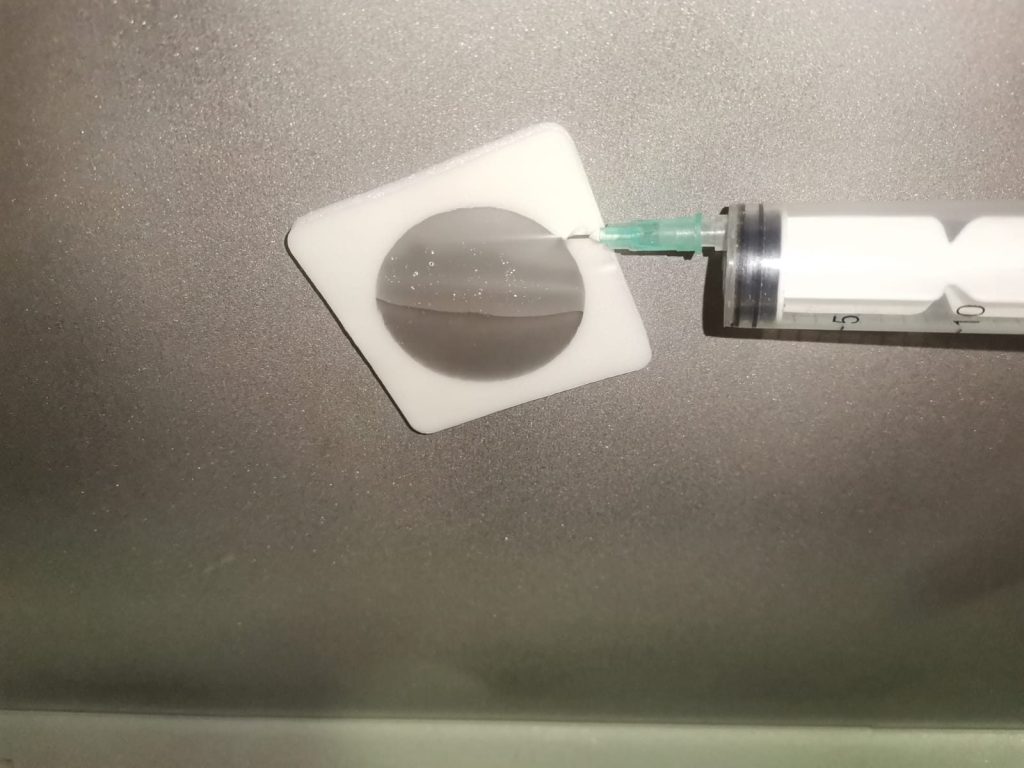 Bresle salt test
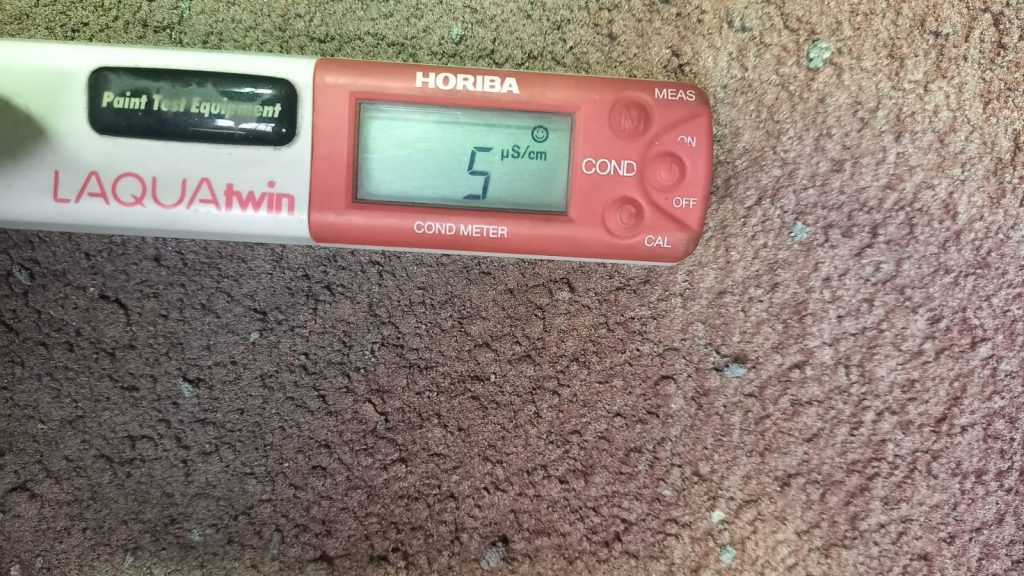 Conductivity reading
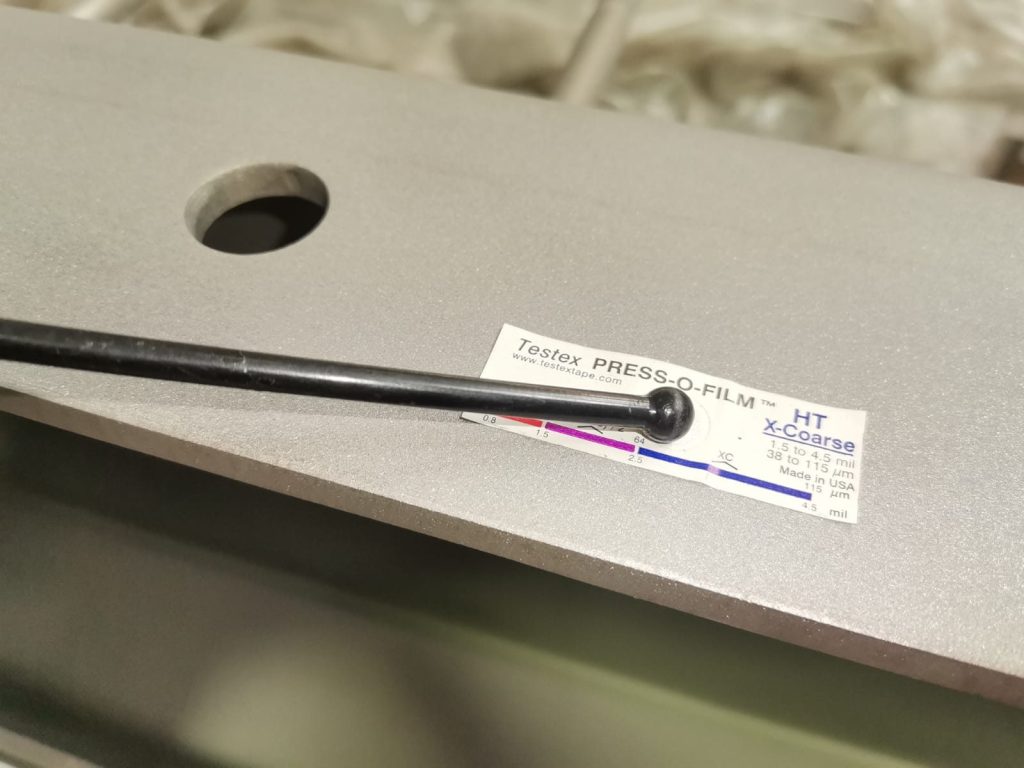 Surface profile
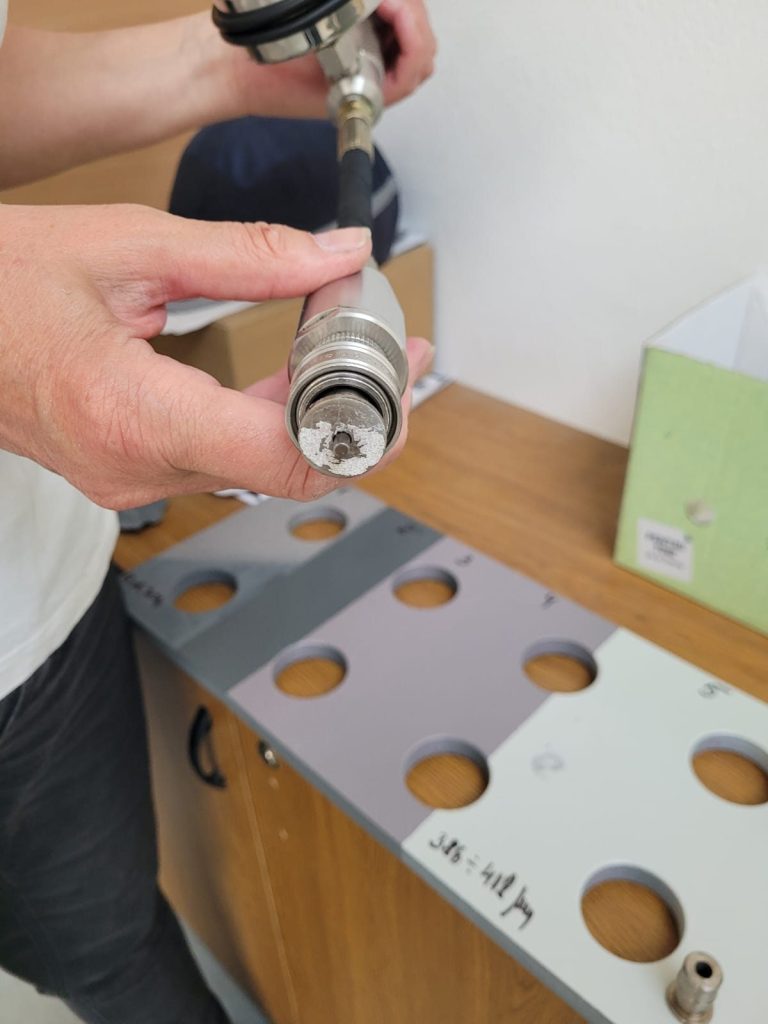 Pull-off adhesion
 Climate monitoring
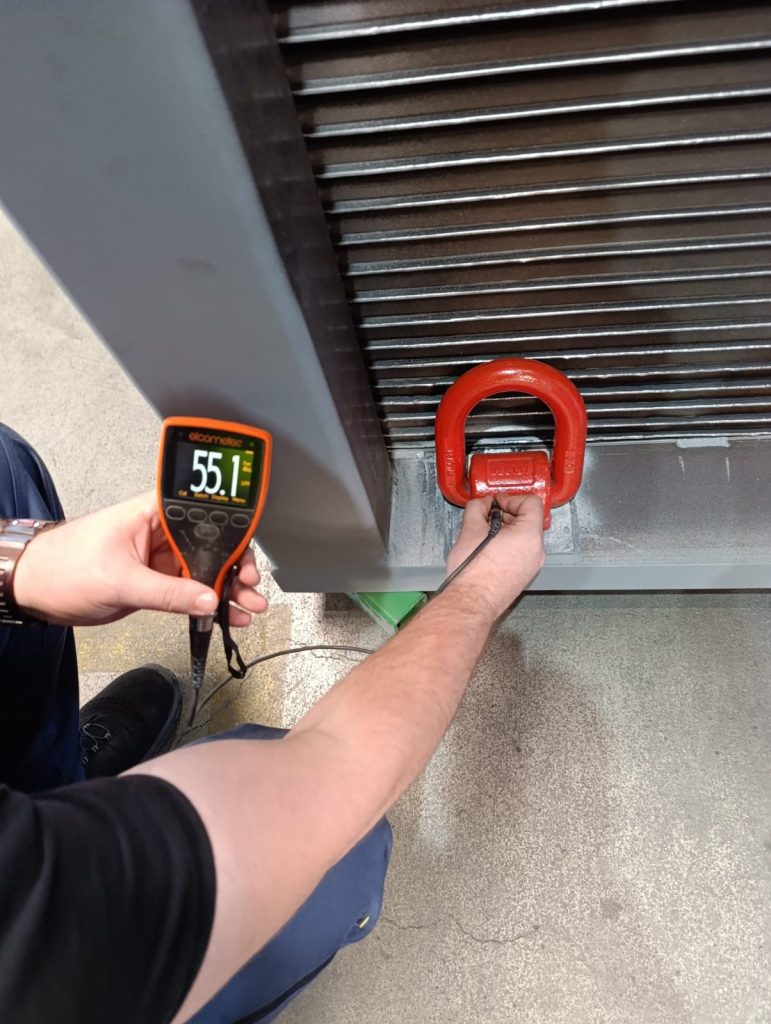 Air cooler frame
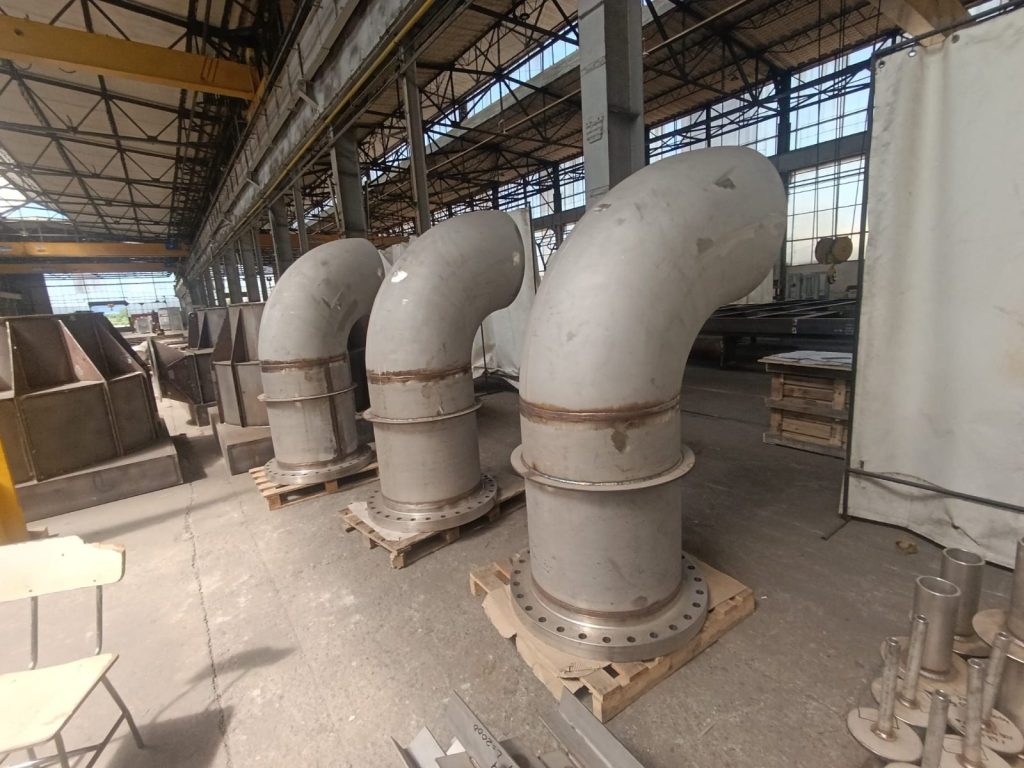 Coated elbows
Certifications for this work
- FROSIO Level IIISurface treatment inspectorNo. 13584, valid to Dec 2028
- RINACoatings general2023
Need an inspector on site?
Send the location, dates and inspection scope, and I will confirm availability.
Or email barbu.constantin.alin@gmail.com